
Thread 'Phren@home: Can real brain wiring teach machines to learn?'
Message boards : News : Phren@home: Can real brain wiring teach machines to learn?
Message board moderation
| Author | Message |
|---|---|
|
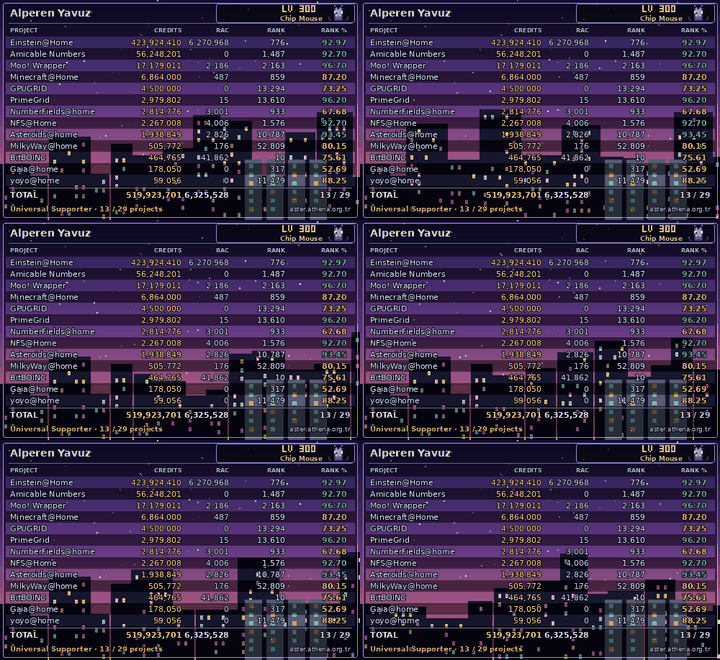
Send message Joined: 26 Nov 26 Posts: 2 Credit: 400 RAC: 39 |
✦ Phren@home: help me grow a mind ✦ A new volunteer computing research project. Registration is open. ━━━━━━━━━━━━━━━━━━━━ ◆ Who is behind it Hello, I am Alperen Yavuz. My field of expertise is artificial intelligence and artificial neural networks. Phren@home is entirely my own project: the idea, the research programme and the project itself are mine, and I am responsible for it. ━━━━━━━━━━━━━━━━━━━━ ◆ The dream Most of today's AI learns during a huge training phase and is then used largely as it is. A living nervous system keeps changing for its whole life, learns from its own experience, often from very few examples, and runs on tiny amounts of energy. My dream is a machine that thinks, learns on its own, develops and evolves from one generation to the next. Nobody has built it. I do not know whether this road leads there, and I will not pretend that I do. What I can do is break the dream into questions that can be tested, and test them one by one, together with you. Phrēn is the ancient Greek word for the mind. In the project's logo, the first letter curls in on itself around a single point of light: a mind beginning to wake. ━━━━━━━━━━━━━━━━━━━━ ◆ The starting point: nature's wiring Scientists have mapped which neurons connect to which in several living things. Such a map is called a connectome. It is not a whole brain: much of what makes a nervous system work is not written in it. But it is a structure that evolution has tested, and the question is what that structure is good for. I want to study very different nervous systems, not just one animal: insects first among the data I am preparing, and as candidates worms, other small sea animals, a vertebrate, and small circuit fragments from mammals, including human cortex. Which of them become subprojects depends on the data being available and its terms allowing this use. Where only a small piece of a brain exists, I will call it a piece, never a brain. Each organism is planned to be its own subproject, running through trials under the same rules. ━━━━━━━━━━━━━━━━━━━━ ◆ The research programme: eleven lines of questions This is not one simulation. It is a programme, and these are the lines I plan: 1. Learning What can a network learn from reward and punishment, and how quickly? 2. Memory How long does it remember? Does learning something new wipe out the old? 3. Evolution of learning Instead of evolving every connection, is it possible to evolve small, local rules of learning that get better over generations? 4. Body and behaviour Placed in a virtual world, can it find food and avoid danger? 5. Damage and recovery What breaks when neurons or connections are lost? Can the network recover? 6. Inner activity What happens inside when nobody is teaching it? Rhythms, patterns, the flow of information. 7. The secret of the wiring Which features of nature's design matter? Destroy them one at a time and see which abilities disappear. 8. Transfer between species Does a learning rule evolved in one nervous system also work in a very different one? 9. Growing networks Genes do not write every synapse one by one. Can a short recipe grow a network that works? 10. The open frontier With tasks that keep getting harder, can a system go on developing new abilities by itself? This is the heart of the dream, and the hardest open question. I will look for measurable steps: solving a task it has never seen, learning without forgetting, exploring without reward, planning ahead. 11. Training with data The same networks, trained with datasets the way modern AI is trained, compared with learning from their own experience and evolution. Which needs fewer examples? Which forgets less? Where does biological wiring help, if it helps at all? The lines will open in waves. I plan to begin with learning, memory, and damage and recovery, and add the others one by one. Not every question fits every organism: a small fragment has no natural eyes or muscles. ━━━━━━━━━━━━━━━━━━━━ ◆ How I will avoid fooling myself Projects with big words deserve hard questions. This is how I plan to answer them.
|


